
Dr. Steven Hurley
IL Psychologist 071007009Illinois · 19 yrs exp
Practical, action-focused psychotherapy for adults
Stress, Anxiety · LGBT · Relationship · Trauma and abuse · +9 more
Read profileTherapist listings are provided by BetterHelp. We will earn a commission at no extra cost to you if you use our links to buy.
This page groups profiles of clinicians who list Control Issues among their focus areas and who include women's wellbeing among additional concerns. Compare approaches, academic credentials, registration or licensing region, languages and listed location to find profiles that align with what you want to address. Browse the profiles below to learn more about each clinician's focus and approach.
Illinois · 19 yrs exp
Practical, action-focused psychotherapy for adults
Stress, Anxiety · LGBT · Relationship · Trauma and abuse · +9 more
Read profile
Illinois · 20 yrs exp
Helping women build resilience and clearer relationships
Stress, Anxiety · Relationship · Parenting · Self esteem · +7 more
Read profile
Oregon · 14 yrs exp
Compassionate counselor for life transitions
Grief · Self esteem · Career · Depression · +8 more
Read profile
Oregon · 32 yrs exp
Practical, collaborative therapy for adult women and men
Stress, Anxiety · Relationship · Trauma and abuse · Grief · +9 more
Read profile
North Carolina · 13 yrs exp
Compassionate clinical social worker and life coach
Stress, Anxiety · Relationship · Family · Self esteem · +13 more
Read profile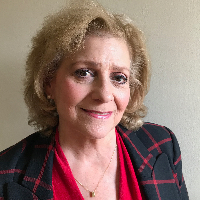
Pennsylvania · 21 yrs exp
Compassionate counselor guiding practical change
Stress, Anxiety · Relationship · Family · Self esteem · +12 more
Read profile
Wisconsin · 11 yrs exp
Calm, practical support for life changes
Stress, Anxiety · Family · Trauma and abuse · Depression · +12 more
Read profile
Florida · 10 yrs exp
Supportive LMHC guiding practical change
Stress, Anxiety · Family · Parenting · Self esteem · +10 more
Read profile
Virginia · 14 yrs exp
Person-centered trauma and life-change counseling
Trauma and abuse · Grief · Coping with life changes · Compassion fatigue · +12 more
Read profile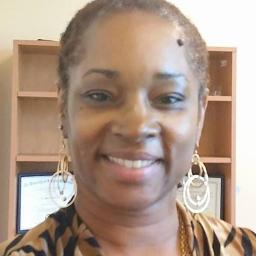
Mississippi · 9 yrs exp
Compassionate guidance for women's life challenges
Stress, Anxiety · Relationship · Family · Trauma and abuse · +9 more
Read profile
Oregon · 17 yrs exp
Compassionate therapist helping people rebuild after trauma
Stress, Anxiety · Trauma and abuse · Grief · Intimacy-related issues · +1 more
Read profile
Florida · 11 yrs exp
Compassionate counselor who focuses on practical change
Stress, Anxiety · Relationship · Parenting · Self esteem · +11 more
Read profile
Colorado · 13 yrs exp
Compassionate, practical therapy for adult growth
Stress, Anxiety · LGBT · Relationship · Trauma and abuse · +10 more
Read profile
Alabama · 17 yrs exp
Compassionate counseling for everyday struggles
Stress, Anxiety · Addictions · Grief · Anger · +1 more
Read profile
Florida · 8 yrs exp
Practical, empathic counseling for life challenges
Stress, Anxiety · Trauma and abuse · Parenting · Self esteem · +11 more
Read profile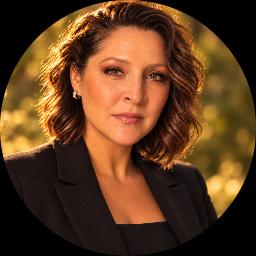
Virginia · 20 yrs exp
Practical support for stress and trauma recovery
Read profile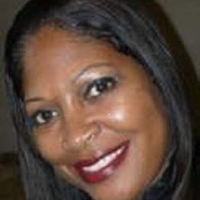
North Carolina · 25 yrs exp
Practical counseling for life's challenges
Stress, Anxiety · Relationship · Depression · Coping with life changes · +1 more
Read profile
Oklahoma · 30 yrs exp
Compassionate counselor supporting women through life changes
Stress, Anxiety · Family · Trauma and abuse · Grief · +6 more
Read profile
Kansas · 23 yrs exp
Compassionate, practical care for life changes
Stress, Anxiety · Relationship · Trauma and abuse · Self esteem · +8 more
Read profile
Minnesota · 14 yrs exp
Focused, experienced therapist for life changes
Stress, Anxiety · Relationship · Grief · Parenting · +11 more
Read profile
Ohio · 25 yrs exp
Compassionate, practical support for women's concerns
Stress, Anxiety · Addictions · Relationship · Family · +1 more
Read profile
South Carolina · 3 yrs exp
Compassionate, practical support for attention and life stressors
Relationship · Parenting · Career · Coping with life changes · +2 more
Read profile
Florida · 14 yrs exp
Practical support for relationship and life changes
Relationship · Family · Trauma and abuse · Self esteem · +8 more
Read profile
Hawaii · 15 yrs exp
Practical support for stress and life change
Stress, Anxiety · Relationship · Self esteem · Depression · +1 more
Read profileWhen you look for support around control issues you may be responding to stress that shows up in different parts of life - relationships, work, parenting, body image, identity or major life transitions. You might notice patterns of needing things to feel certain ways, trouble letting go, difficulty trusting others, or intense anxiety when plans shift. Because women's wellbeing is the framing for this directory, many people visiting this page are thinking about how societal expectations, caregiving roles, workplace dynamics and personal history shape how control feels in day-to-day life. Your experience is unique, and what you want from care might be practical strategies to manage moments of overwhelm, a place to explore underlying beliefs, or support navigating changes in relationships, fertility or work roles.
Profiles on this page list Control Issues as a focus area, but listing a focus area is not evidence of specialist certification or a guarantee of a particular outcome. Use profiles to get a sense of each clinician's interests and the kinds of concerns they describe. As you read, pay attention to language about populations served, the life issues referenced, and any special emphasis on women's wellbeing. Those signals can help you identify profiles that reflect situations similar to yours.
Control issues do not exist in isolation. For many women, expectations around caregiving, appearance, achievement and emotional labor can interact with a need for control in ways that feel overwhelming. You may find that control shows up as attempts to prevent loss, as rigid routines, or as self-criticism when things do not go according to plan. Those patterns can connect with stress related to pregnancy and postpartum changes, managing chronic health conditions, negotiating career demands, or shifts in identity as roles change. The connection between control and these areas is often complex and personal - it is shaped by social context as well as individual history.
Because the directory spans clinicians in the United States, the United Kingdom and Australia, you will see a variety of ways practitioners describe their work with women's wellbeing. Some profiles may highlight experience with life-stage transitions, body image and eating concerns, relationship boundaries, parenting stress or workplace pressure. Others may emphasize a focus on identity, including gender and cultural background, and how those identities shape experiences of control. Reading profiles will help you spot language that resonates with what you are living now.
When you review a profile, thinking of concrete questions to guide a conversation can help you weigh whether a clinician's approach fits your needs. Ask whether the clinician lists experience with the specific problems you want to address - for example, relationships, anxiety around change, body image, parenting or identity exploration. Look at the approaches the clinician cites and remember to treat them as options to discuss rather than as proof of training: you might see clinicians who list cognitive behavioral approaches, psychodynamic work, mindfulness-informed methods, acceptance and commitment approaches, or therapists who list EMDR among their approaches. Ask how those approaches are typically used in the context of control concerns and what a typical session focus might look like.
Another practical question is how the clinician describes the populations they work with. Some profiles will specify experience with women's wellbeing or particular life stages. Profiles that list family, couple or child work do not automatically indicate a clinician treats all these groups, so check the profile language and bring this up directly when you first make contact. You should also ask about language and cultural competency if that matters to you. If a clinician lists additional languages on their profile, consider how fluency and cultural understanding might affect your comfort and the nuance of the work.
If you plan to work with a clinician remotely, it is helpful to cover a few practical topics upfront so you know what to expect. Clarify how the clinician approaches safety planning and emergencies, especially since remote work has different constraints than in-person care. If you are in the United States and are unsafe at home, call emergency services or contact the National Domestic Violence Hotline at 1-800-799-7233; if you are outside the United States, identify local emergency services and local domestic violence resources. You should also talk about how the clinician manages privacy and data handling for digital sessions, what platforms they use, and what to do if technical issues interrupt a session.
It is important to remember that online talk therapy is not a substitute for medical, reproductive or legal care. Questions about pregnancy, physical symptoms, medication or immediate medical concerns belong with a doctor or relevant medical professional. Use the first conversations with a clinician to clarify the scope of their practice - whether they work with relationship or family systems, whether they accept work related to trauma exposure, and whether they have experience collaborating with other professionals when needed. Also discuss how feedback is shared, how goals are set and what kind of pacing you prefer for the work.
Comparing profiles is both practical and intuitive. Start by scanning the focus areas and reading the summary paragraphs for language that matches your concerns. If you want to address control related to body image, look for profiles that explicitly mention body image, eating concerns or embodiment. If work stress or identity is central, look for those terms. Pay attention to how specific the clinician is about the populations they serve - clear descriptions can help you decide whether to reach out.
When you look at credentials, distinguish academic degrees from professional permission to practice. Degrees such as PhD, PsyD, MD, MA or MSW tell you about the clinician's academic background. Licensing or registration details indicate the regions where a clinician is authorized to practice. In the United States you may see licenses like LCSW, LPC, LMFT, or clinical psychologist credentials; in the United Kingdom clinicians may list registration or membership with bodies such as the HCPC or professional associations like BACP; in Australia you may see registration with AHPRA or membership in professional organizations. A degree alone does not establish current permission to practice, so profiles that list both academic degrees and licensing or registration information will give you a clearer picture.
Style and interpersonal fit matter as much as technical details. Some clinicians describe a practical, skills-based orientation while others emphasize exploratory or relational work. Reading the tone of the profile can give you a sense of whether the clinician is likely to match your preference for direct feedback, gentle curiosity or collaborative problem-solving. Use the profile's language about session focus, communication style and values as a starting point for questions. Concrete comparison questions you can bring to an initial conversation include asking how they typically approach an early session, what kinds of goals they help clients set, how they adjust work for different life stages, and how they tailor support when control issues overlap with health, parenting or workplace pressures.
Taking time to compare profiles by focus areas, languages, credentials and style will make it easier for you to choose clinicians to contact. Profiles are a starting place for learning who might be a good match; direct conversation will help you decide whether to proceed with a clinician and how you will work together. Above all, trust your sense of whether a clinician's language and described approach feel like a fit for your priorities and circumstances.
Alabama
51 therapists
Alaska
5 therapists
Arizona
35 therapists
Arkansas
18 therapists
Australia
87 therapists
California
407 therapists
Colorado
81 therapists
Connecticut
37 therapists
Delaware
7 therapists
District of Columbia
8 therapists
Florida
264 therapists
Georgia
67 therapists
Hawaii
12 therapists
Idaho
18 therapists
Illinois
114 therapists
Indiana
52 therapists
Iowa
10 therapists
Kansas
31 therapists
Kentucky
33 therapists
Louisiana
47 therapists
Maine
16 therapists
Maryland
66 therapists
Massachusetts
61 therapists
Michigan
114 therapists
Minnesota
42 therapists
Mississippi
25 therapists
Missouri
59 therapists
Montana
20 therapists
Nebraska
19 therapists
Nevada
18 therapists
New Hampshire
8 therapists
New Jersey
88 therapists
New Mexico
12 therapists
New York
233 therapists
North Carolina
125 therapists
North Dakota
6 therapists
Ohio
79 therapists
Oklahoma
46 therapists
Oregon
23 therapists
Pennsylvania
102 therapists
Rhode Island
6 therapists
South Carolina
60 therapists
South Dakota
3 therapists
Tennessee
49 therapists
Texas
304 therapists
United Kingdom
638 therapists
Utah
24 therapists
Vermont
6 therapists
Virginia
57 therapists
Washington
47 therapists
West Virginia
4 therapists
Wisconsin
44 therapists
Wyoming
4 therapists