
Joy Nussen
LMFTOregon · 32 yrs exp
Practical, collaborative therapy for adult women and men
Stress, Anxiety · Relationship · Trauma and abuse · Grief · +9 more
Read profileTherapist listings are provided by BetterHelp. We will earn a commission at no extra cost to you if you use our links to buy.
Browse therapist profiles to compare how professionals describe their work with codependency and related relationship concerns. You can review listed location, focus areas, approaches, languages and credentials to help decide who might be a good match.
Use the profiles to learn how different clinicians frame codependency, what issues they commonly work with, and which questions to ask before you reach out.
Oregon · 32 yrs exp
Practical, collaborative therapy for adult women and men
Stress, Anxiety · Relationship · Trauma and abuse · Grief · +9 more
Read profile
North Carolina · 13 yrs exp
Compassionate clinical social worker and life coach
Stress, Anxiety · Relationship · Family · Self esteem · +13 more
Read profile
South Carolina · 36 yrs exp
Experienced therapist focusing on women's life challenges
Stress, Anxiety · Addictions · Family · Trauma and abuse · +3 more
Read profile
Virginia · 23 yrs exp
Compassionate counselor for women facing chronic stress
Stress, Anxiety · Trauma and abuse · Self esteem · Depression · +9 more
Read profile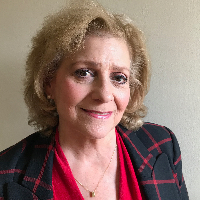
Pennsylvania · 21 yrs exp
Compassionate counselor guiding practical change
Stress, Anxiety · Relationship · Family · Self esteem · +12 more
Read profile
Wisconsin · 11 yrs exp
Calm, practical support for life changes
Stress, Anxiety · Family · Trauma and abuse · Depression · +12 more
Read profile
Michigan · 16 yrs exp
Practical, person-focused therapy for life changes
Stress, Anxiety · Addictions · Relationship · Parenting · +8 more
Read profile
Florida · 10 yrs exp
Compassionate, practical support for women's well-being
Stress, Anxiety · Addictions · Trauma and abuse · Self esteem · +1 more
Read profile
Florida · 25 yrs exp
Compassionate, direct counseling for lasting change
Stress, Anxiety · Relationship · Trauma and abuse · Self esteem · +2 more
Read profile
Florida · 8 yrs exp
Practical, empathic counseling for life challenges
Stress, Anxiety · Trauma and abuse · Parenting · Self esteem · +11 more
Read profile
Virginia · 20 yrs exp
Practical support for stress and trauma recovery
Read profile
North Carolina · 10 yrs exp
Compassionate support for stress and trauma
Stress, Anxiety · Trauma and abuse · Self esteem · Depression · +1 more
Read profile
Kansas · 23 yrs exp
Compassionate, practical care for life changes
Stress, Anxiety · Relationship · Trauma and abuse · Self esteem · +8 more
Read profile
Minnesota · 14 yrs exp
Focused, experienced therapist for life changes
Stress, Anxiety · Relationship · Grief · Parenting · +11 more
Read profile
Indiana · 5 yrs exp
Straightforward counseling with practical steps
Stress, Anxiety · Relationship · Self esteem · Depression · +7 more
Read profile
Illinois · 31 yrs exp
Experienced LCPC helping women and individuals
Stress, Anxiety · Relationship · Grief · Parenting · +7 more
Read profile
California · 12 yrs exp
Compassionate LCSW guiding practical life change
Stress, Anxiety · Relationship · Grief · Depression · +13 more
Read profile
United Kingdom · 6 yrs exp
A calm, collaborative counsellor for life transitions
Stress, Anxiety · Relationship · Self esteem · Depression · +13 more
Read profile
United Kingdom · 13 yrs exp
Calm, practical support for women's concerns
Stress, Anxiety · Relationship · Family · Grief · +13 more
Read profile
United Kingdom · 11 yrs exp
Compassionate counsellor for women's issues and trauma
Stress, Anxiety · Relationship · Trauma and abuse · Self esteem · +11 more
Read profile
Michigan · 10 yrs exp
Practical, supportive therapy for busy adults
Stress, Anxiety · Self esteem · Depression · Compassion fatigue · +8 more
Read profile
United Kingdom · 8 yrs exp
Relational psychotherapist focusing on women's concerns
Relationship · Trauma and abuse · Grief · Self esteem · +13 more
Read profile
United Kingdom · 40 yrs exp
Experienced counsellor for relationships and life changes
Relationship · Family · Grief · Parenting · +14 more
Read profile
United Kingdom · 5 yrs exp
Compassionate Muslim counsellor for women's concerns
Stress, Anxiety · Relationship · Trauma and abuse · Grief · +13 more
Read profileWhen you notice patterns of over-giving, difficulty setting boundaries, or an urge to fix others at the expense of your own needs, you may be exploring codependency as a way to name those experiences. Many people describe feeling exhausted by caretaking roles, uncertain of their own priorities, or dependent on approval to feel okay. These patterns can show up alongside stress about work, parenting, body image, identity shifts, or relationship endings. You do not need to fit a single profile to seek support; your history, culture, and life context shape how codependency looks for you.
Thinking about what you want to change will help you pick what to look for in profiles. If you are seeking help with boundaries and communication, you might prioritize clinicians who note relational approaches or attachment-related work. If your concerns connect with past trauma or strong emotional reactions, you might look for therapists who list trauma-informed approaches among their methods. Keep in mind that a listed focus is a starting point for conversation rather than a guarantee of a particular approach or outcome.
If you are currently unsafe where you live, call local emergency services immediately and reach out to the National Domestic Violence Hotline (US) or a local equivalent for immediate help and advice. Online care is not a substitute for urgent medical, reproductive, or legal services; consult a doctor or appropriate professional for those needs.
The For Her Wellbeing directory groups profiles that list both women's issues and codependency among their focus areas. For many women, social expectations about caretaking, emotional labor, or appearance can overlap with the relational patterns people call codependency, but that overlap does not prove a single cause. You might notice that gendered roles influence how responsibilities and expectations are distributed in your life, and that context can shape what you bring into therapy. At the same time, codependency can affect people regardless of gender and can be influenced by family patterns, culture, and life transitions.
When you read profiles, you will see language that connects to women's wellbeing alongside wording about relationships, boundaries, parenting, or identity. Those descriptions signal clinicians who are attentive to how gender and social pressures can shape experience, but a listed topic is not evidence of a particular qualification or therapeutic outcome. If you are curious about how a clinician understands the interplay between gender and relational patterns, bring that into your first conversation. Ask how they conceptualize the connection and what kinds of goals other clients with similar concerns have explored.
Preparing specific questions helps you assess whether a clinician’s way of working matches what you need. You might ask how they typically describe codependency and what kinds of goals they set with clients who bring those concerns. It is useful to ask which therapeutic approaches they use and to frame that as a clarification - for example, ask about therapists who list cognitive-behavioral, psychodynamic, attachment-based, narrative, or emotion-focused work among their approaches, and what each approach looks like in sessions. If a clinician lists EMDR among their approaches, ask how they integrate it and what types of concerns they tend to pair it with.
Clarify the clinician’s experience with issues that matter to you. You can ask about work with women who face relationship strain, parenting challenges, workplace stress, body image or identity transitions. Ask whether they work with individuals, couples, or families only if you need a specific scope of practice, since a listed focus does not imply treatment for everyone or for all relationship formats. If professional credentials are important to you, ask about both academic degrees - such as PhD, PsyD, MD, MA, or MSW - and about current permission to practice. In the United States ask whether the clinician is licensed in a specific state and what that license means for their practice. In the United Kingdom and Australia ask about registration, membership, or accreditation with relevant professional bodies and what those terms indicate in their systems. A degree does not by itself establish permission to practice.
If you plan to begin remote sessions, talk with a clinician about what to expect from online conversations and what you need to prepare on your end. You may want to discuss where you will be during sessions so you can have a quiet, comfortable environment and an uninterrupted time to focus. Ask how the clinician manages safety planning and emergencies that might arise between sessions, and whether they have a policy for responding if you are in crisis. For immediate danger, call emergency services and contact the National Domestic Violence Hotline (US) or your local emergency resources.
You should also talk about the clinician’s stated scope of practice. If your concerns include pregnancy, physical symptoms, or medication decisions, those issues belong with a doctor or other appropriate medical professional and you can ask how the clinician coordinates care with those providers. If you need help involving family members or discussing parenting and couples work, ask whether the clinician works in those areas and how they approach multi-person sessions. Clear conversations about session length, cancellation policies, and how notes or records are kept will help you know what to expect, but remember that the directory profiles are summaries and the full details are best discussed directly with the clinician.
Profiles in this directory use a few common elements you can compare to narrow your options. Focus areas tell you what topics clinicians choose to highlight, such as codependency, relationships, stress, parenting, or body image. Read the language clinicians use in those focus areas to see whether their description reflects your priorities - some write in clinical terms while others use everyday language about daily life. Look at the approaches they list and think about which styles appeal to you; you can then ask how those approaches are applied in practice, remembering to phrase that inquiry as a question about how they work rather than as an assumption that everyone uses the same model.
Languages listed in profiles matter if you prefer to speak in a language other than English or want cultural nuance in your conversations. Credentials and degrees are useful to note, but keep the distinction between academic degrees and professional permission to practice in mind. In the United States, identify whether a clinician is licensed and which state issued the license. In the United Kingdom and Australia look for registration or membership with recognized professional bodies and ask what that membership means for their scope of practice. Style and tone also matter; pay attention to how clinicians describe their therapeutic stance - whether they emphasize direct skills practice, reflective exploration, trauma awareness, or relational focus - and choose profiles that resonate with how you prefer to work.
Use profile details as a starting point for conversations. A listing that mentions women’s wellbeing and codependency signals that a clinician has chosen to highlight those topics, but it does not replace a conversation about fit, goals, or how therapy would be structured for you. If you want, prepare a short list of priorities and questions before you reach out to help make the first conversation efficient. Take your time to compare language, focus areas, approaches, degrees and registration, and the listed location to find clinicians whose descriptions align with your needs and preferences.
Alabama
51 therapists
Alaska
5 therapists
Arizona
35 therapists
Arkansas
18 therapists
Australia
87 therapists
California
407 therapists
Colorado
81 therapists
Connecticut
37 therapists
Delaware
7 therapists
District of Columbia
8 therapists
Florida
264 therapists
Georgia
67 therapists
Hawaii
12 therapists
Idaho
18 therapists
Illinois
114 therapists
Indiana
52 therapists
Iowa
10 therapists
Kansas
31 therapists
Kentucky
33 therapists
Louisiana
47 therapists
Maine
16 therapists
Maryland
66 therapists
Massachusetts
61 therapists
Michigan
114 therapists
Minnesota
42 therapists
Mississippi
25 therapists
Missouri
59 therapists
Montana
20 therapists
Nebraska
19 therapists
Nevada
18 therapists
New Hampshire
8 therapists
New Jersey
88 therapists
New Mexico
12 therapists
New York
233 therapists
North Carolina
125 therapists
North Dakota
6 therapists
Ohio
79 therapists
Oklahoma
46 therapists
Oregon
23 therapists
Pennsylvania
102 therapists
Rhode Island
6 therapists
South Carolina
60 therapists
South Dakota
3 therapists
Tennessee
49 therapists
Texas
304 therapists
United Kingdom
638 therapists
Utah
24 therapists
Vermont
6 therapists
Virginia
57 therapists
Washington
47 therapists
West Virginia
4 therapists
Wisconsin
44 therapists
Wyoming
4 therapists