
Dr. Steven Hurley
IL Psychologist 071007009Illinois · 19 yrs exp
Practical, action-focused psychotherapy for adults
Stress, Anxiety · LGBT · Relationship · Trauma and abuse · +9 more
Read profileTherapist listings are provided by BetterHelp. We will earn a commission at no extra cost to you if you use our links to buy.
Compare profiles of therapists who list Family and women's wellbeing among their focus areas. Browse profiles to review approaches, focus areas, languages and credentials and find someone who may fit your needs.
Illinois · 19 yrs exp
Practical, action-focused psychotherapy for adults
Stress, Anxiety · LGBT · Relationship · Trauma and abuse · +9 more
Read profile
Illinois · 20 yrs exp
Helping women build resilience and clearer relationships
Stress, Anxiety · Relationship · Parenting · Self esteem · +7 more
Read profile
Oregon · 32 yrs exp
Practical, collaborative therapy for adult women and men
Stress, Anxiety · Relationship · Trauma and abuse · Grief · +9 more
Read profile
Texas · 10 yrs exp
Hopeful counselor focused on practical change
Relationship · Family · Anger · Self esteem · +12 more
Read profile
North Carolina · 13 yrs exp
Compassionate clinical social worker and life coach
Stress, Anxiety · Relationship · Family · Self esteem · +13 more
Read profile
Washington · 12 yrs exp
Practical, systems-focused therapy for life challenges
Stress, Anxiety · Family · Anger · Self esteem · +6 more
Read profile
California · 14 yrs exp
Compassionate LCSW helping people build resilience
Stress, Anxiety · Trauma and abuse · Grief · Self esteem · +8 more
Read profile
South Carolina · 36 yrs exp
Experienced therapist focusing on women's life challenges
Stress, Anxiety · Addictions · Family · Trauma and abuse · +3 more
Read profile
Florida · 11 yrs exp
Compassionate counselor blending insight and skills
Stress, Anxiety · LGBT · Relationship · Coping with life changes · +14 more
Read profile
Virginia · 23 yrs exp
Compassionate counselor for women facing chronic stress
Stress, Anxiety · Trauma and abuse · Self esteem · Depression · +9 more
Read profile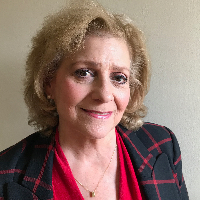
Pennsylvania · 21 yrs exp
Compassionate counselor guiding practical change
Stress, Anxiety · Relationship · Family · Self esteem · +12 more
Read profile
Wisconsin · 11 yrs exp
Calm, practical support for life changes
Stress, Anxiety · Family · Trauma and abuse · Depression · +12 more
Read profile
Florida · 10 yrs exp
Supportive LMHC guiding practical change
Stress, Anxiety · Family · Parenting · Self esteem · +10 more
Read profile
Oklahoma · 9 yrs exp
Direct therapist focused on practical change
Relationship · Family · Trauma and abuse · Grief · +7 more
Read profile
Wisconsin · 11 yrs exp
Compassionate counselor for life transitions
Stress, Anxiety · Relationship · Family · Self esteem · +6 more
Read profile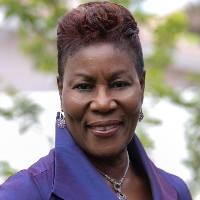
Florida · 21 yrs exp
Compassionate counselor for women's life challenges
Addictions · Relationship · Family · Self esteem · +2 more
Read profile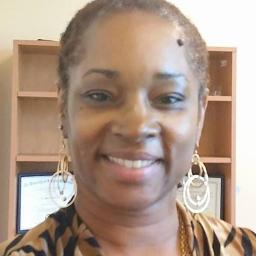
Mississippi · 9 yrs exp
Compassionate guidance for women's life challenges
Stress, Anxiety · Relationship · Family · Trauma and abuse · +9 more
Read profile
Michigan · 16 yrs exp
Practical, person-focused therapy for life changes
Stress, Anxiety · Addictions · Relationship · Parenting · +8 more
Read profile
Florida · 11 yrs exp
Compassionate counselor who focuses on practical change
Stress, Anxiety · Relationship · Parenting · Self esteem · +11 more
Read profile
Colorado · 13 yrs exp
Compassionate, practical therapy for adult growth
Stress, Anxiety · LGBT · Relationship · Trauma and abuse · +10 more
Read profile
Florida · 25 yrs exp
Compassionate, direct counseling for lasting change
Stress, Anxiety · Relationship · Trauma and abuse · Self esteem · +2 more
Read profile
Alabama · 8 yrs exp
Practical therapy for stress and life changes
Stress, Anxiety · Family · Trauma and abuse · Grief · +7 more
Read profile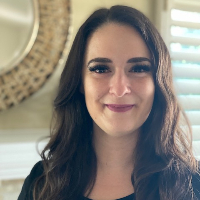
California · 6 yrs exp
Compassionate therapist for adult concerns
Stress, Anxiety · Addictions · Relationship · Depression · +10 more
Read profile
Tennessee · 3 yrs exp
Calm, practical support for life's hard moments
Stress, Anxiety · Addictions · Trauma and abuse · Self esteem · +8 more
Read profileFamily life can shape many parts of your day-to-day experience - relationships with partners, parenting responsibilities, caregiving for aging relatives, and the ways you manage work and self-care. If you are feeling overwhelmed by conflict, transition, role changes, or questions about identity that intersect with family roles, you are not alone in seeking support. You might notice stress shows up as difficulty concentrating, disrupted sleep, or feelings of guilt and shame. You might be navigating separation, blended families, fertility decisions or the ripple effects of past family experiences. Whatever the specifics, thinking about how family dynamics relate to your wellbeing can help you frame the topics you want to explore with a therapist. Keep in mind that profiles in this directory note when therapists list Family among their focus areas, but a listed topic does not establish that a clinician treats children, couples, or families. It's important to raise those specifics directly with anyone whose profile interests you.
When family concerns are part of a broader pattern - for example affecting work, body image, or your sense of self - looking for a practitioner who explicitly names both family and women's wellbeing on their profile can help you find someone who is likely to notice those intersections. Profiles also often describe approaches, languages spoken, and professional credentials along with a listed location. Use those details to narrow choices to people who match the practical and cultural considerations that matter to you.
The directory groups profiles where therapists list Family as a specialty or additional focus area and also note women's wellbeing among their concerns. This is not an implication of causation between family issues and women's wellbeing. Instead it signals that many clinicians in the pool identify both areas as topics they attend to in practice. You will find therapists who describe different theoretical approaches and ways of working; some profiles highlight experience with parenting, others with relationship transition, caregiving strain, or identity exploration within family roles. The collection reflects a variety of professional backgrounds across the United States, the United Kingdom and Australia, where terminology and regulatory frameworks differ. In the United States, clinicians commonly describe state licensure such as clinical social work or professional counseling licenses. In the United Kingdom and Australia, practitioners often note registration or membership with national professional bodies rather than a single licensing system. Degrees such as PhD, PsyD, MD, MA and MSW indicate academic training but do not by themselves establish current permission to practice. When you compare profiles, notice how clinicians present both their degrees and their regulatory status so you can ask about practice permissions that apply in the listed location.
Because profiles are self-reported summaries, they are best used to generate questions rather than to assume scope or specific offerings. If you need support that involves medical decisions, pregnancy care, medication management, or assessments of physical symptoms, those issues belong with a doctor or appropriate medical specialist. If you are in immediate danger at home, contact emergency services or the National Domestic Violence Hotline (US) or your local equivalent right away.
When you review a profile, think about what matters to you in terms of therapeutic style and background, and use that to form direct questions. You might ask how the therapist typically works with family issues - whether they focus on communication patterns, coping strategies, boundaries, or exploration of family history. If you see approaches listed on a profile, you could ask about how those approaches inform the therapist's work by saying, for example, "I noticed you list cognitive-behavioral approaches and trauma-informed care - how do you blend these when family trauma is part of the picture?" Phrase inquiries so you learn how the clinician might adapt the work to your situation rather than assuming all approaches listed are always used.
Ask about experience that matters to you beyond a degree. Instead of asking only about years in practice, you might say, "What experience do you have working with people navigating separation while parenting young children?" or "Have you supported women managing caregiving and full-time work?" If language or cultural understanding is important, ask about languages spoken and experience with specific cultural contexts. If you are concerned about working with children or partners, ask explicitly whether they work with those family members and what that involvement would look like. Remember that profiles reflect what therapists list as focus areas, which does not guarantee that they treat every related population or offer every service you might need.
If you are considering online sessions, it helps to discuss practical and safety-oriented topics in advance. You can ask about the therapist's typical session structure, how they handle scheduling and missed sessions in their practice, and what technology they use. Ask how they manage boundaries and emergency procedures when you are not in the same physical location, for example what steps they recommend if you experience a crisis between sessions. Because online care crosses regional lines, ask how the clinician's permission to practice aligns with your listed location - for example, whether they hold U.S. state licensure, registration with a UK professional body, or membership with an Australian association. This clarifies whether they can provide clinical care across the place you are located.
Bring up coordination with other professionals when relevant. If you are pregnant, taking medication, or experiencing physical symptoms, ask how the clinician prefers to work alongside your doctor or other healthcare providers. You might say, "I am seeing a physician for medication - how do you typically coordinate care?" That keeps medical decisions in the medical domain while letting therapy support your emotional and relational needs. As with all matters of safety, if you are unsafe at home, call emergency services or the National Domestic Violence Hotline (US) or a local equivalent promptly.
Comparing profiles effectively means looking beyond a single label and paying attention to the combination of details that fit your priorities. Read how clinicians describe their focus areas to see whether they emphasize relationship dynamics, parenting, life transitions, identity, or coping with stress and body image concerns. Look for mentions of specific populations if that matters to you, such as support for new parents, women going through menopause, or caregivers for older relatives. Note the languages a clinician lists and consider whether you prefer therapy in your first language or one you use most comfortably. Profiles also list academic degrees separately from professional permissions. Ask whether a listed PhD, PsyD, MD, MA or MSW is paired with current permission to practice in the listed location and what that permission is called in the clinician's country.
Style matters as much as credentials. Does the profile read as more directive and skills-based, or more exploratory and reflective? Do therapists who list family among their focuses mention working collaboratively to set goals, or do they describe longer-term exploration of patterns and history? When you have two or three profiles you are interested in, you can prepare a short set of comparison questions about their approach to family work, typical session focus, cultural competence, and how they handle coordination with other health professionals. Framing your priorities and questions before you reach out will help you use the information in profiles to choose a clinician whose experience and style align with the support you are seeking.
Choosing a therapist is a personal decision. Use the details in each profile to form direct questions, think about practical considerations such as listed location and languages, and discuss medical or safety needs with appropriate professionals. The profiles on this page are a starting point for connecting with someone who might help you explore family-related concerns in the context of women's wellbeing.
Alabama
51 therapists
Alaska
5 therapists
Arizona
35 therapists
Arkansas
18 therapists
Australia
87 therapists
California
407 therapists
Colorado
81 therapists
Connecticut
37 therapists
Delaware
7 therapists
District of Columbia
8 therapists
Florida
264 therapists
Georgia
67 therapists
Hawaii
12 therapists
Idaho
18 therapists
Illinois
114 therapists
Indiana
52 therapists
Iowa
10 therapists
Kansas
31 therapists
Kentucky
33 therapists
Louisiana
47 therapists
Maine
16 therapists
Maryland
66 therapists
Massachusetts
61 therapists
Michigan
114 therapists
Minnesota
42 therapists
Mississippi
25 therapists
Missouri
59 therapists
Montana
20 therapists
Nebraska
19 therapists
Nevada
18 therapists
New Hampshire
8 therapists
New Jersey
88 therapists
New Mexico
12 therapists
New York
233 therapists
North Carolina
125 therapists
North Dakota
6 therapists
Ohio
79 therapists
Oklahoma
46 therapists
Oregon
23 therapists
Pennsylvania
102 therapists
Rhode Island
6 therapists
South Carolina
60 therapists
South Dakota
3 therapists
Tennessee
49 therapists
Texas
304 therapists
United Kingdom
638 therapists
Utah
24 therapists
Vermont
6 therapists
Virginia
57 therapists
Washington
47 therapists
West Virginia
4 therapists
Wisconsin
44 therapists
Wyoming
4 therapists